Reverse engineering
Reverse engineering and part recreation
Reverse engineering means recreating a part that has no documentation: we measure or scan the original, build a 3D model and a drawing, then make the part in 3D print or have it CNC machined or cut from sheet metal. It is done by Instant Engineering, an engineering studio in Opole, Poland, working with clients across the country.
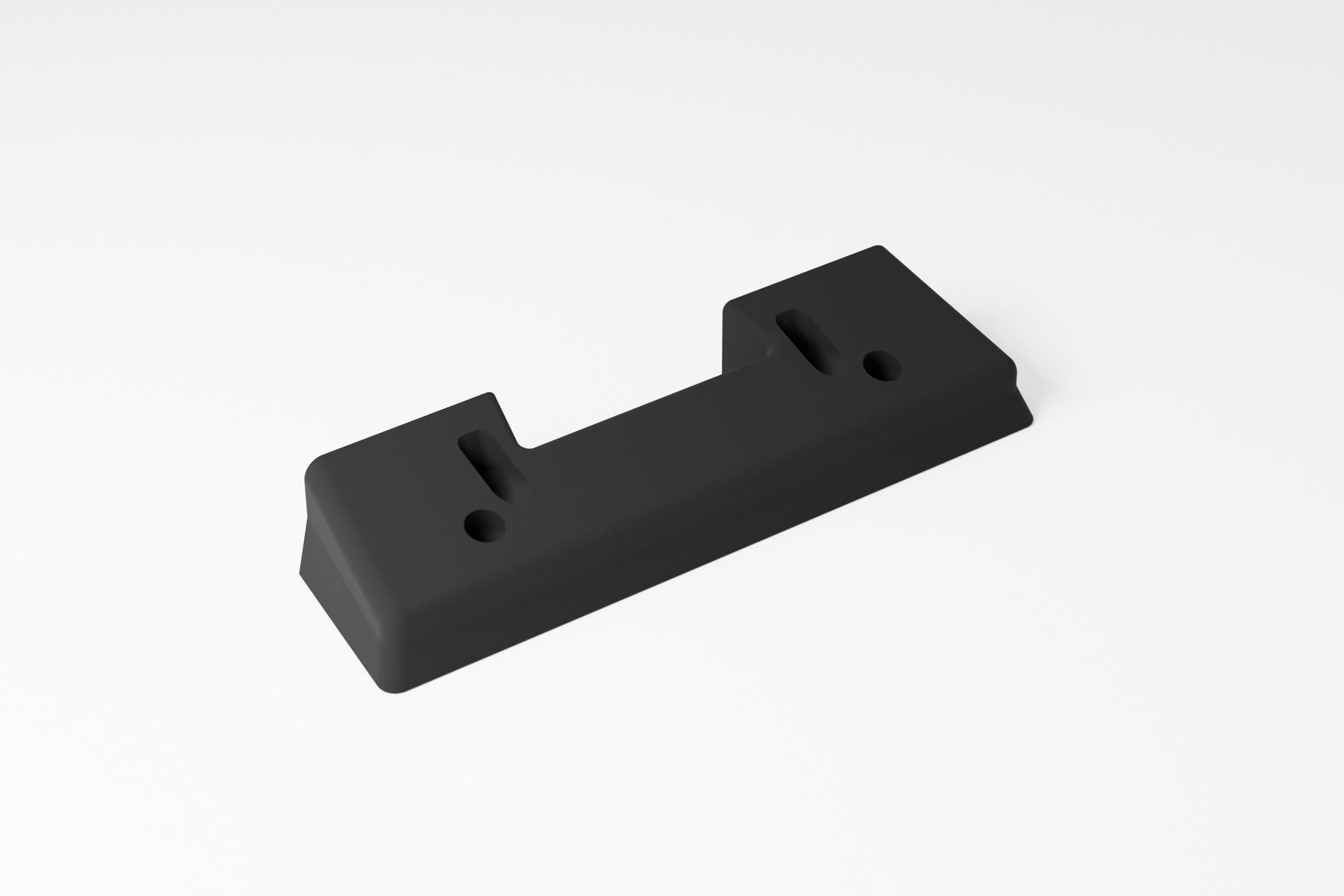
The part has cracked and nobody has a drawing
A machine is down because of one part the manufacturer no longer sells. Or a replacement exists, but it takes weeks to arrive and you only need two. Or the equipment has worked for years, but nobody has its files, so every repair starts from scratch.
We rebuild the part from whatever is left: a worn sample, the broken pieces, photos and the dimensions of the mounting point. We do not copy the original's weaknesses blindly. If a part has cracked in the same place twice, we look at why and improve the design or the material.
We work mainly with businesses (maintenance teams, manufacturers, workshops) and on parts that have to work: for machines, equipment and classic cars.
When it makes sense
- The part is discontinued or not available as a spare
- A part for a machine when the original takes weeks to arrive
- A classic car part where only one worn sample survives
- Equipment without documentation that you want to copy, service or modify
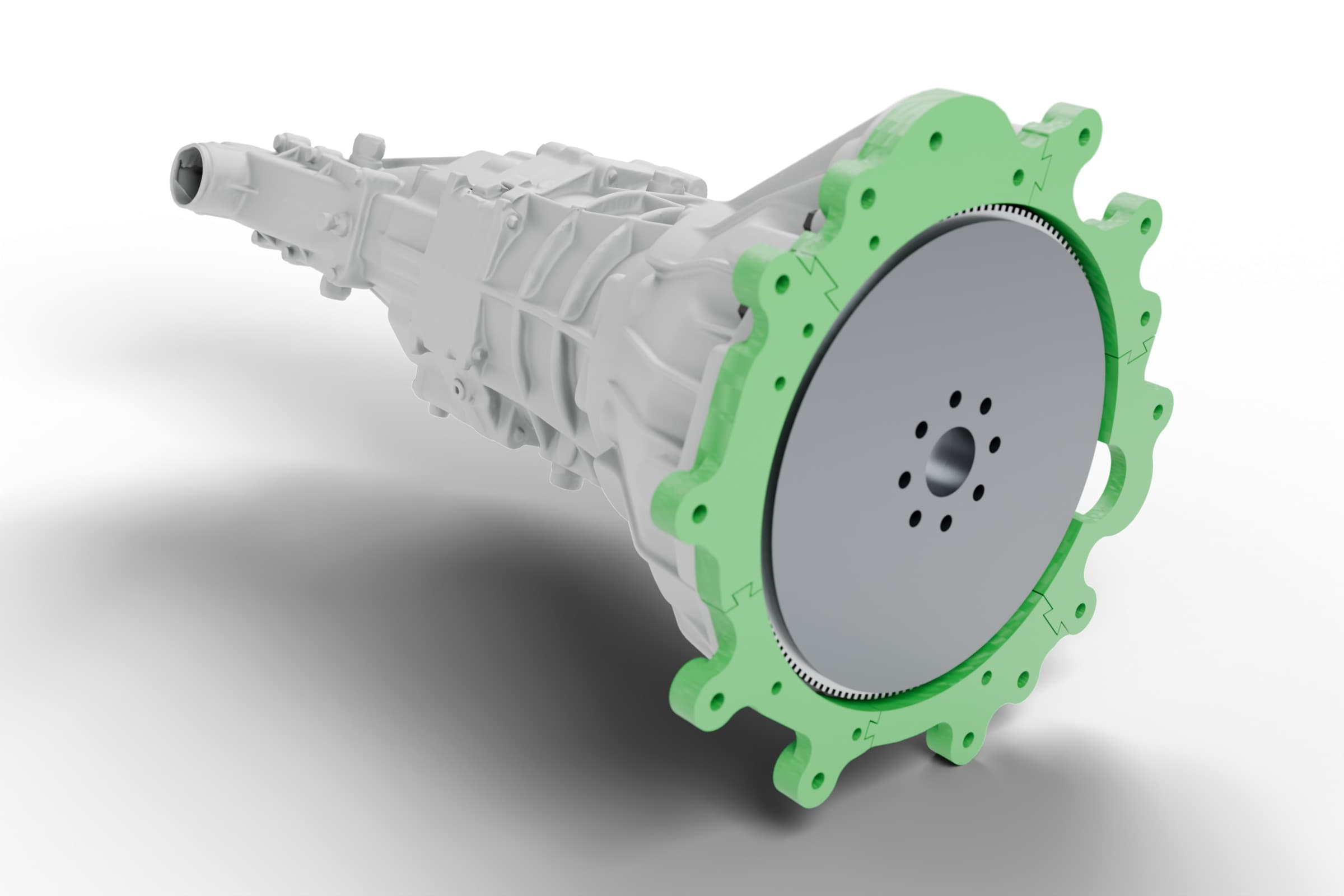
- A part that has to fit an existing assembly: adapter, bracket, plate, cover
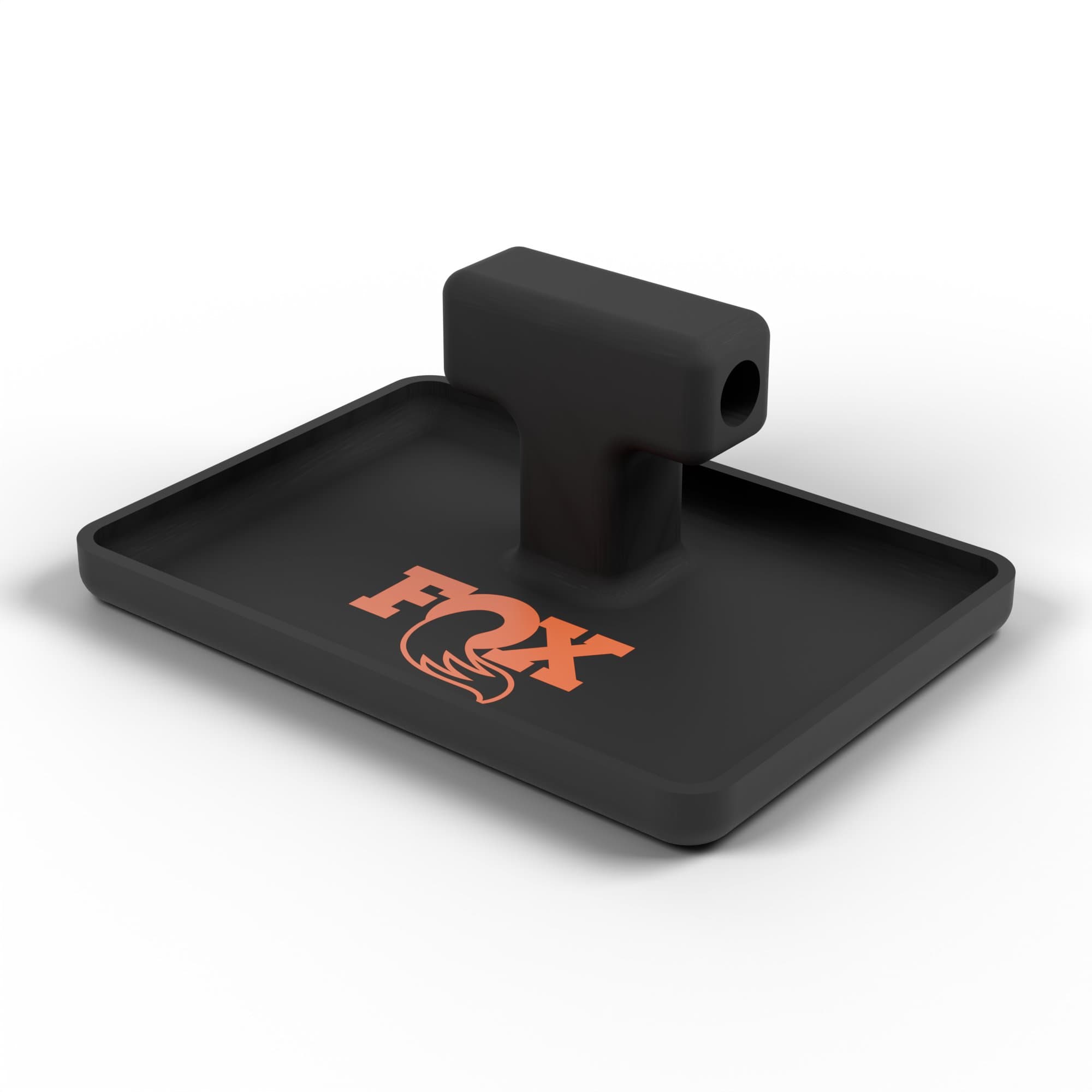
- A 3D-printed spare instead of an expensive original, where the loads allow it
What you get
- A 3D model in STEP format that opens in any CAD software
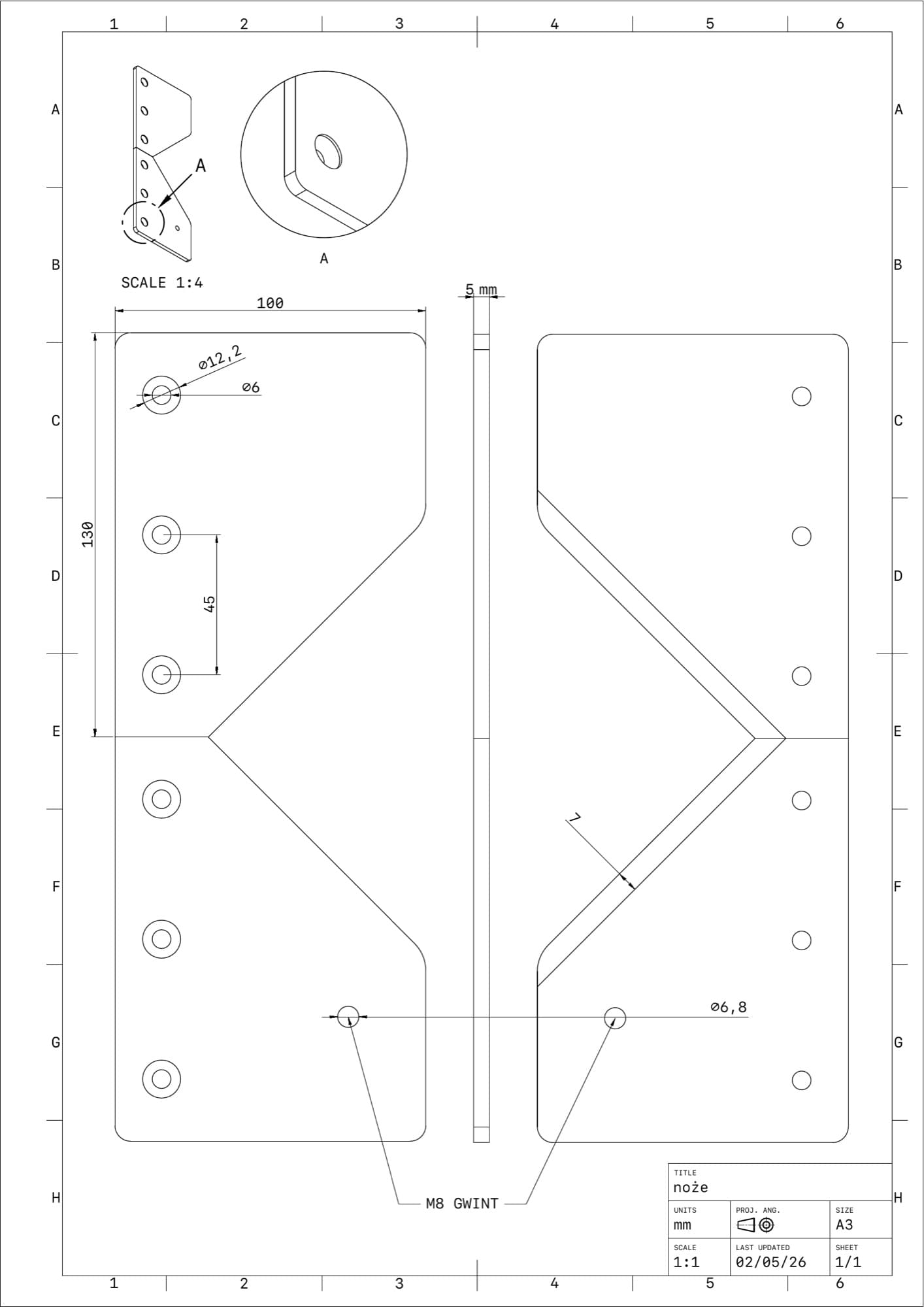
- A dimensioned technical drawing (PDF), ready for a machinist or a supplier
- DXF profiles for laser cutting when the part is sheet metal
- A bill of materials when we rebuild a whole assembly
- A test print and the finished part, if you also order production
- A recommended process and material, with the reasoning
How we recreate a part
Lead times are typical for simple and medium-complexity geometry.
- 01
Photos and a short call
You send photos of the part and where it mounts, and tell us what loads it carries and how many you need. We reply within 1 working day with a plan and a quote.
- 02
Measurement or scan
We measure the sample, or 3D scan it when the shape is freeform. Mounting points, holes, threads and fits are checked separately, because they decide whether the part will go back in.
- 03
STEP model and drawing
We build the 3D model and a dimensioned technical drawing. Usually 2 to 5 days. The model is parametric, so the next revision is quick.
- 04
Test print
We print a plastic version and you test-fit it in place. Usually 2 to 4 days. A misplaced hole shows up here, not on the finished metal part.
- 05
Final part
We print the part in-house or have it made by a trusted shop in Poland: MJF or SLS (3 to 5 working days), CNC machining, sheet metal cutting and bending. You keep the files for future orders.
Model first, then the right process
Recreating a part is more than copying its shape. The same geometry can be made with several processes, each with its own cost, strength and lead time. So once the model exists, we decide what the part should be made of: FDM printing in our own studio, PA12 nylon in MJF or SLS (tolerance typically ±0.3 %, no tighter than ±0.3 mm), CNC-machined aluminium, or laser-cut and bent sheet metal.
We design for the chosen process, prepare the documentation and place the order with trusted manufacturers in Poland. For metal parts, a cheap print for test fitting always comes first: it means the aluminium only gets machined once.
Frequently asked questions
How much does it cost to recreate a part?
It depends on how complex the geometry is, how many mounting points and fits there are, whether a scan is needed, and on the process and quantity. Most of the work is the measurement and the model; further parts from finished files cost less. Send us photos and you will have a quote within 1 working day.
Can you recreate a part without a drawing or any files?
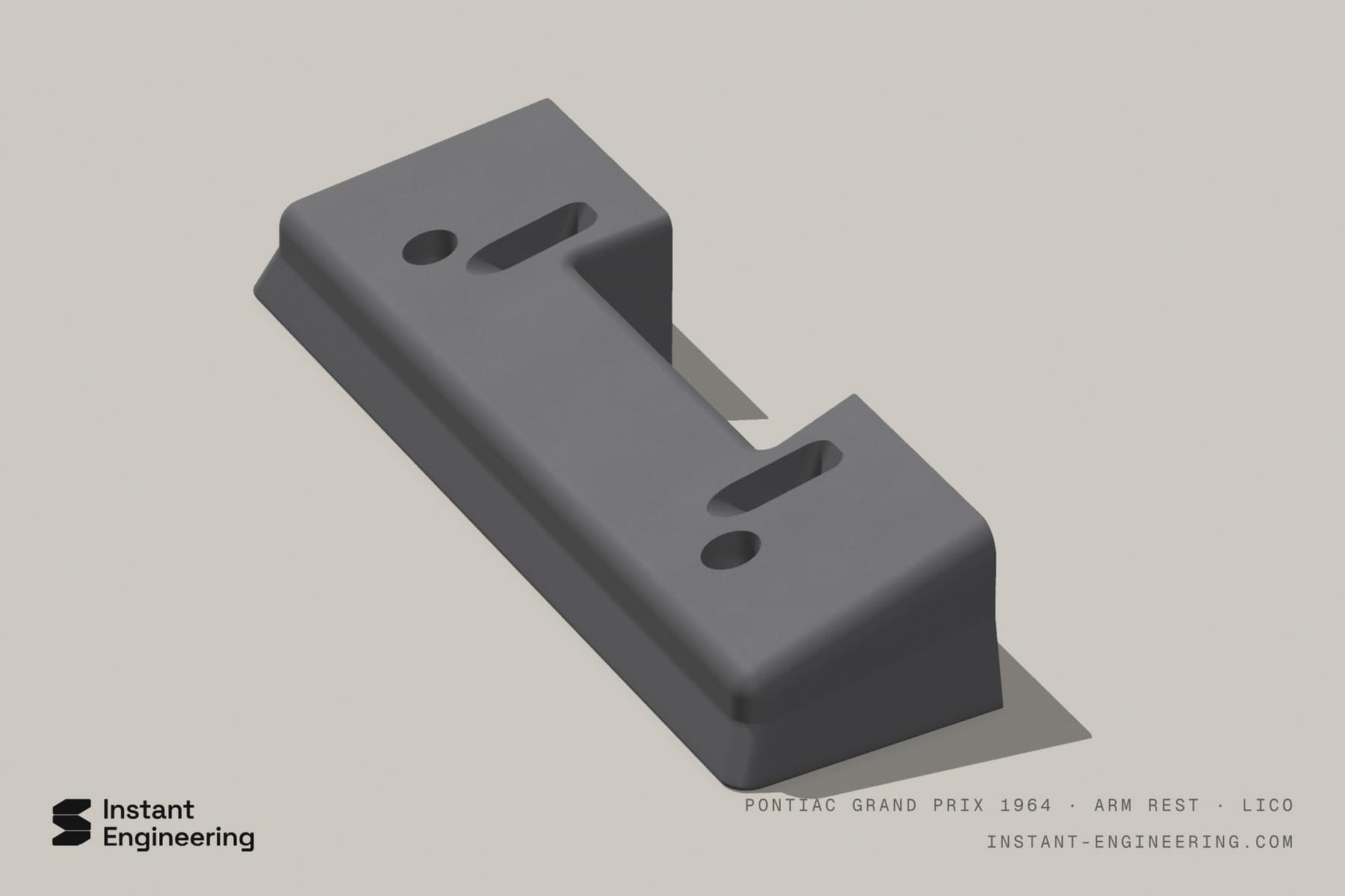
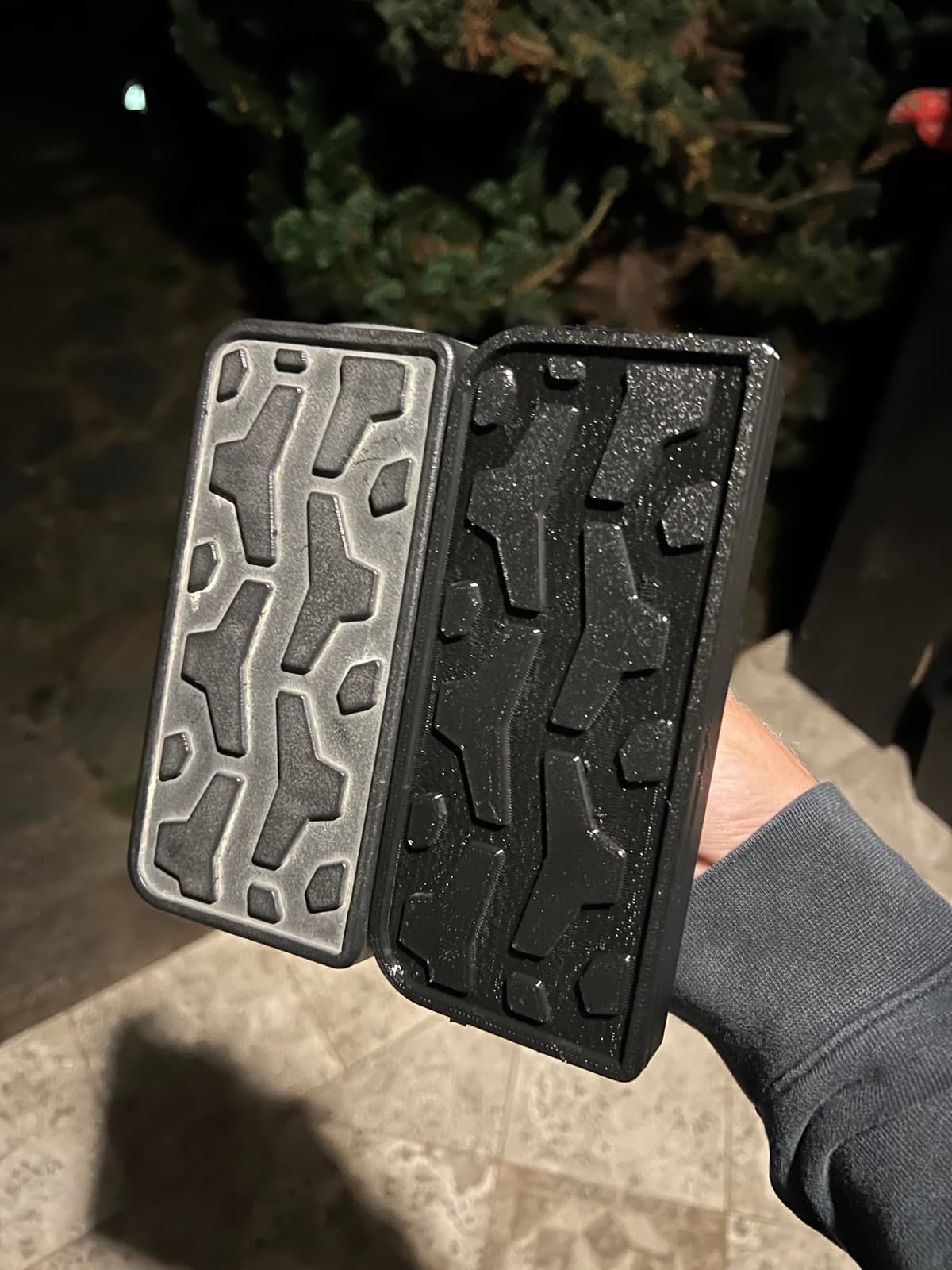
Yes, that is exactly what reverse engineering is. All we need is a sample, even a worn or broken one. We rebuilt a 1964 Pontiac Grand Prix door armrest from a single worn casting, and a Jeep Wrangler side step from one damaged piece.
What if the part is broken or missing?
Broken pieces are usually enough, because we rebuild the missing geometry from the mating parts and the mounting point. If the part is gone completely, we measure what it has to fit and design it from scratch.
How long does it take to recreate a part?
For simple and medium-complexity geometry, measurement, the STEP model and the drawing usually take 2 to 5 days, and a test print 2 to 4 days. An MJF or SLS part takes 3 to 5 working days, plus 1 to 3 days for each finishing step.
Will a 3D-printed spare part hold up?
For many uses, yes: covers, brackets, adapters, guides and housings work well in PA12 nylon from MJF or SLS, or in carbon-fibre-reinforced filament. Where the load or temperature is too high, we say so and make the part in metal, using the print only for test fitting.
Do you make metal parts?
Yes, through trusted manufacturers in Poland: CNC machining, laser cutting and sheet metal bending. We design the part for the process, prepare the STEP, drawing and DXF files, check the fit on a print and place the order.
Do I keep the files?
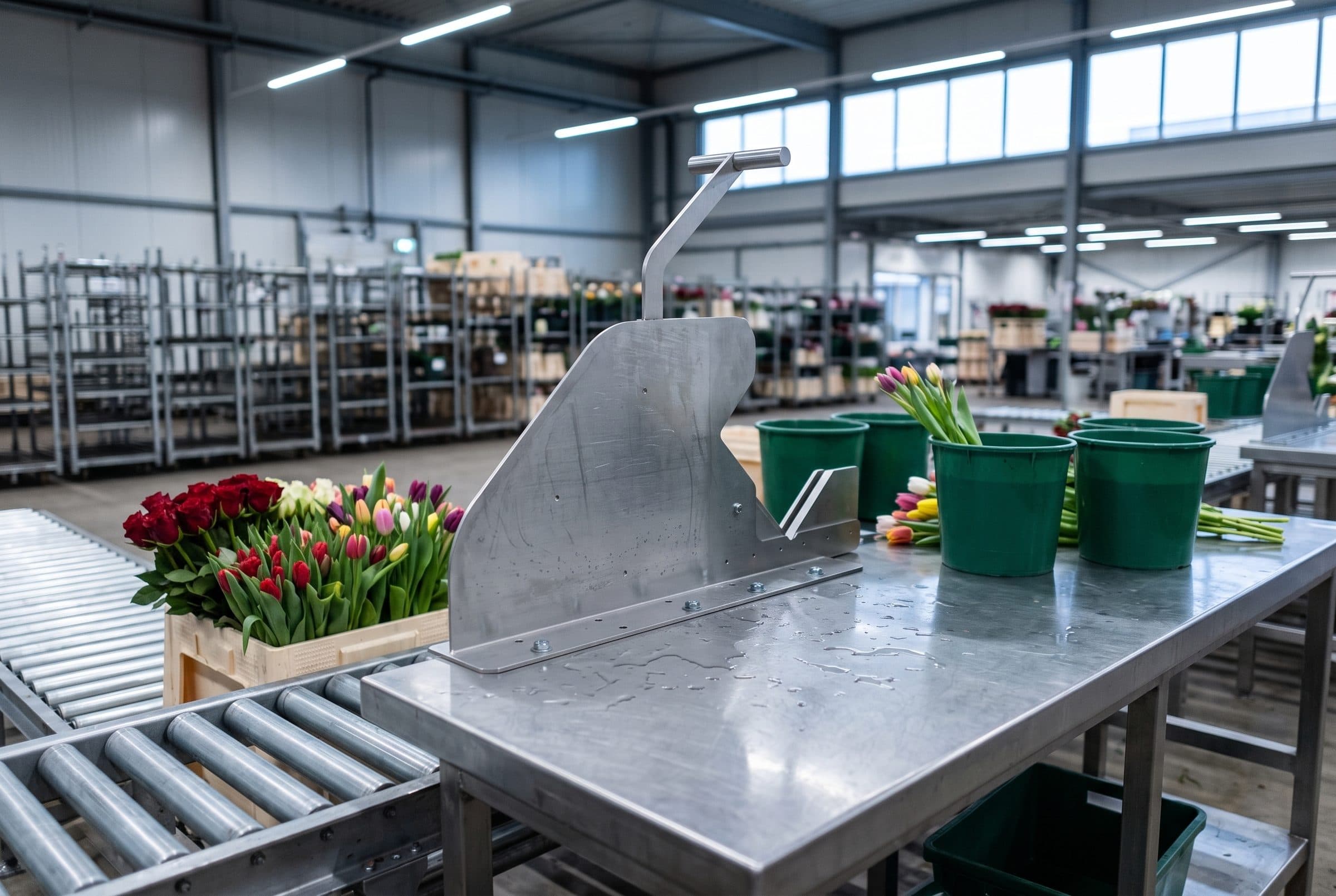
Yes. You get the STEP model and the drawing, so you can order the next part from us or from any manufacturer. For a flower stem cutter, the client received a full production package: 13 STEP files, 6 DXF profiles and 6 dimensioned A3 drawings with a bill of materials.
Do you sign an NDA?
On request we sign a non-disclosure agreement. Files go only to the shop that makes the part, and we never publish a project without your consent.
More in the knowledge base
Parts on demand: how we rebuild a part you can no longer buy
A machine is down because a part cracked and the manufacturer no longer sells it. Here is how we turn a worn sample, a photo and a few measurements into a working part, plus documentation that stays with you.
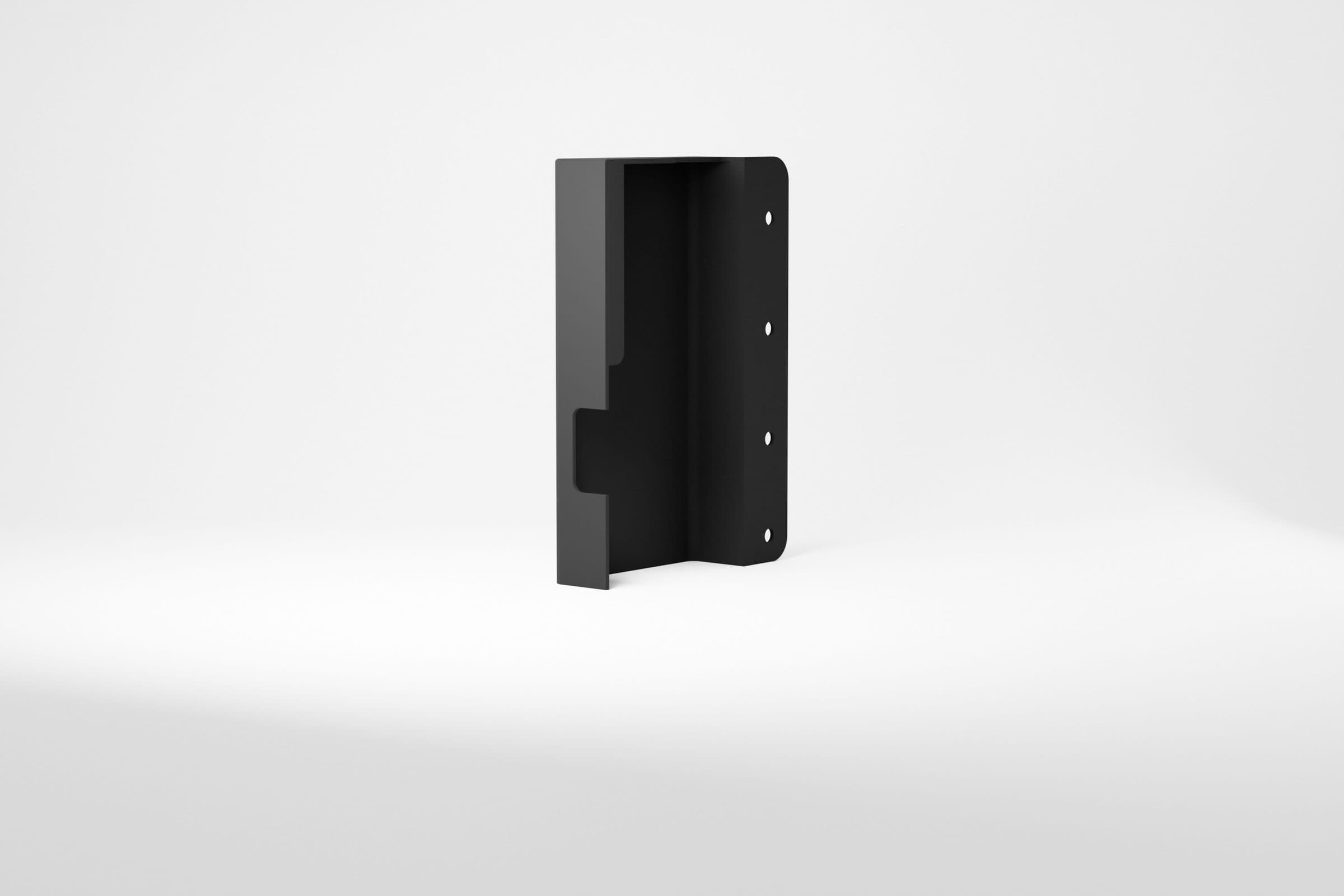
Reverse engineering in practice: from a worn sample to production documentation
The machine works, but nobody has its files. Here is how we measure, what goes into the documentation, and why the documentation, not a single part, is the real asset.
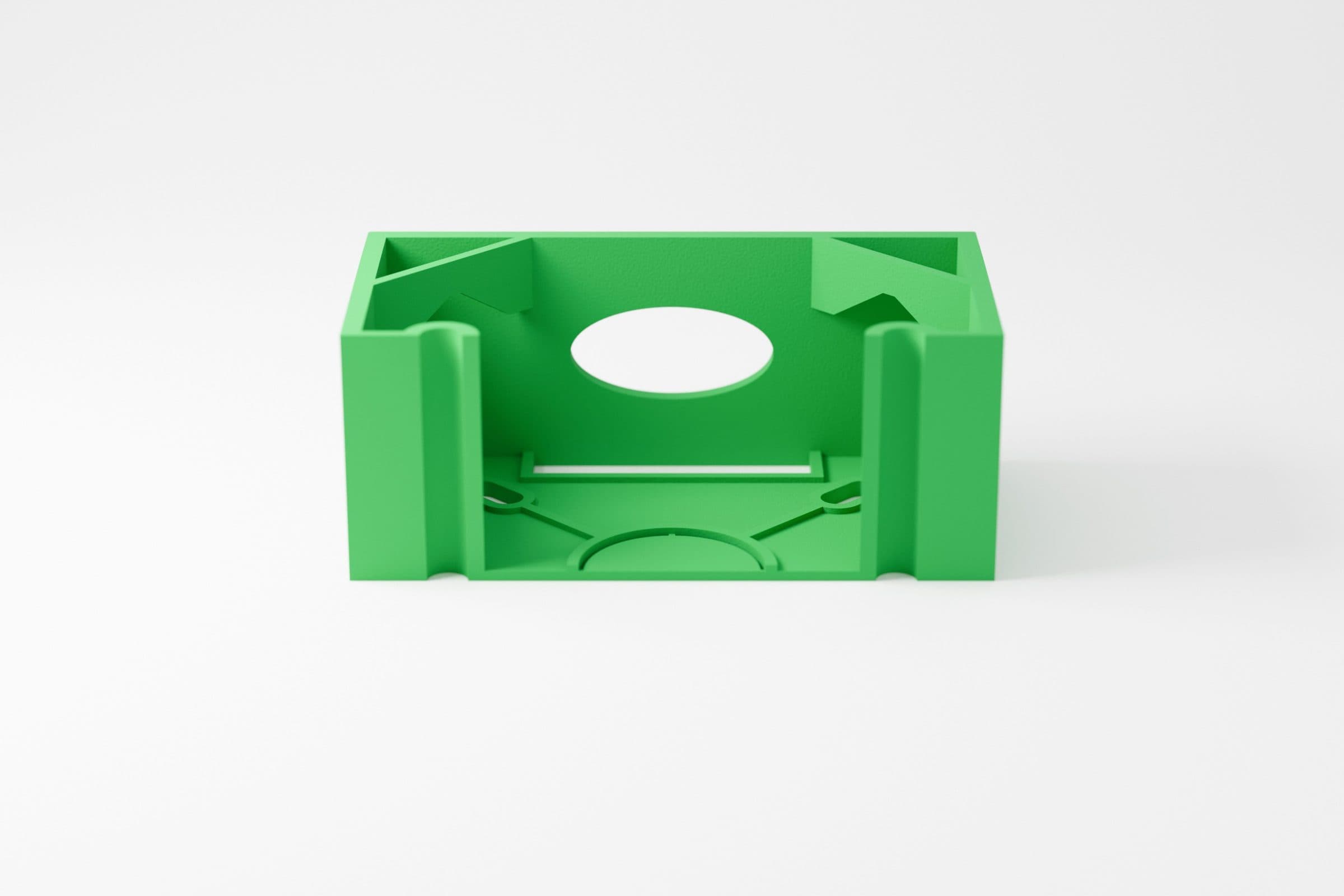
A test print before metal: a cheap mistake instead of an expensive one
The most expensive mistake is the one you only see after the part comes off the machine. A plastic print lets you catch it earlier, for a fraction of the cost.
Other services
Got a part you can no longer buy?
Send photos of the part and where it mounts, even if it is broken. Within 1 working day we will tell you how we would recreate it, what to make it from and what it will cost.