From a spare part to a short run.
We design, reverse-engineer and make parts in plastic and metal. From a gear to a camera housing, from one piece to a run.

Six things we do.
Most jobs combine several: measuring, a model, a prototype and a run from one file.
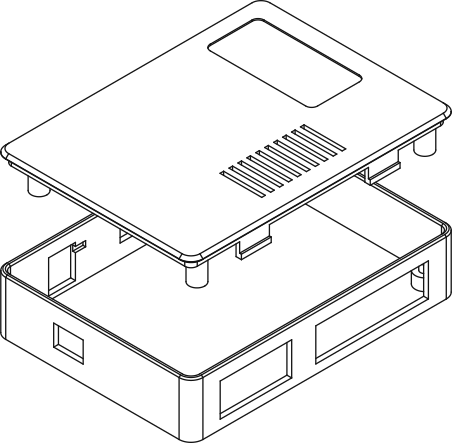
CAD and DfAM designPart design for 3D printing and production: a 3D model, technical drawings, files ready to print or machine. 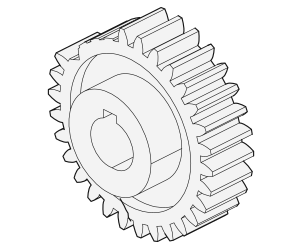
Part reconstruction (reverse engineering)A part with no drawings, out of production or broken: we measure it, build a 3D model and a drawing, then make a new one. 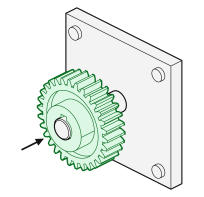
PrototypesFast prints to check shape, fit and ergonomics before you pay for a run or a mould. 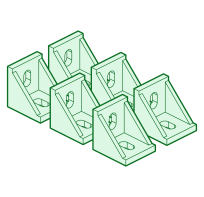
Short runs and parts on demandRuns without an injection mould, from one piece to hundreds: MJF / SLS powder printing and other processes with vetted partners. 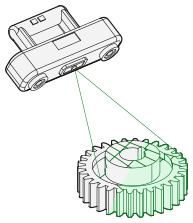
3D scanning and photogrammetryFrom a small part to a whole building: we turn a scan and measurements into a 3D model for changes, production or a scale model. 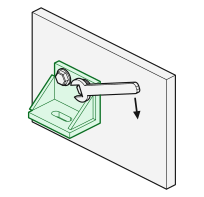
3D printing consulting and adoptionWe help companies find where 3D printing pays off: process choice, spare parts, jigs, fixtures and production tooling.
When it pays off and what you get
CAD and DfAM design
You have an idea, a sketch or a model that needs work. We design the part for the process that will make it: wall thickness, fits, holes for screws and inserts, how it splits into pieces. 3D printing allows shapes that a mould or a mill cannot make, so we design for it on purpose (DfAM).
- You have only an idea, a sketch or a photo and need a production file.
- An existing model is not printable (walls too thin, no fits).
- You want to merge several parts into one and cut assembly time.
- You need a technical drawing for a workshop or a supplier.
- a 3D model in STEP (plus STL / 3MF for printing)
- a technical drawing with dimensions and tolerances
- a process and material choice for the job
- a test print before production, on request
Part reconstruction (reverse engineering)
A machine part cracked, the maker is gone and there were never any drawings. We measure the original (or what is left of it), build a 3D model and a drawing, print a test version for a fit check and, once approved, make the final part. You keep the file, so the next one needs no new measuring.
- The part is out of production or takes weeks to arrive.
- A machine or a car is stuck because of one small part.
- The original is worn and you want to improve it on the way.
- You need documentation for a part that never had any.
- a 3D model (STEP) and a technical drawing
- a test print for a fit check
- the final part in plastic or metal (through partners)
- files for repeat orders
Prototypes
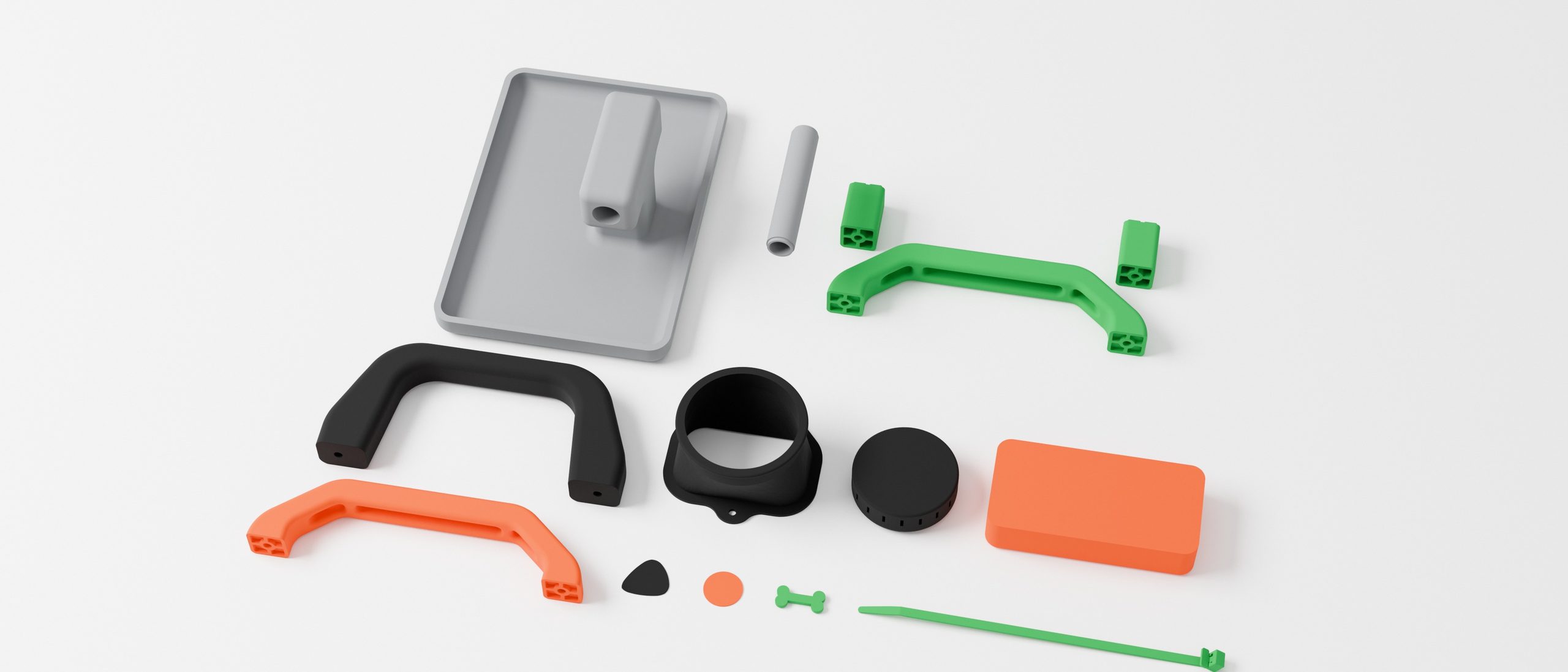
A model on screen will not tell you whether a handle sits well in the hand or a lid snaps on. We print prototypes in-house with FDM, so each new version is quick and cheap. Every fix goes into the model, and once the shape is right the same geometry goes to production.
- You want to check dimensions and fit before ordering a run.
- You are showing a product to a client, an investor or at a trade fair.
- You are choosing between several shape options.
- A new product before an expensive injection mould.
- prints of each version (PLA, PETG, ABS, ASA, TPU)
- fixes made in the model after each round
- a model ready for production in the target process
Short runs and parts on demand
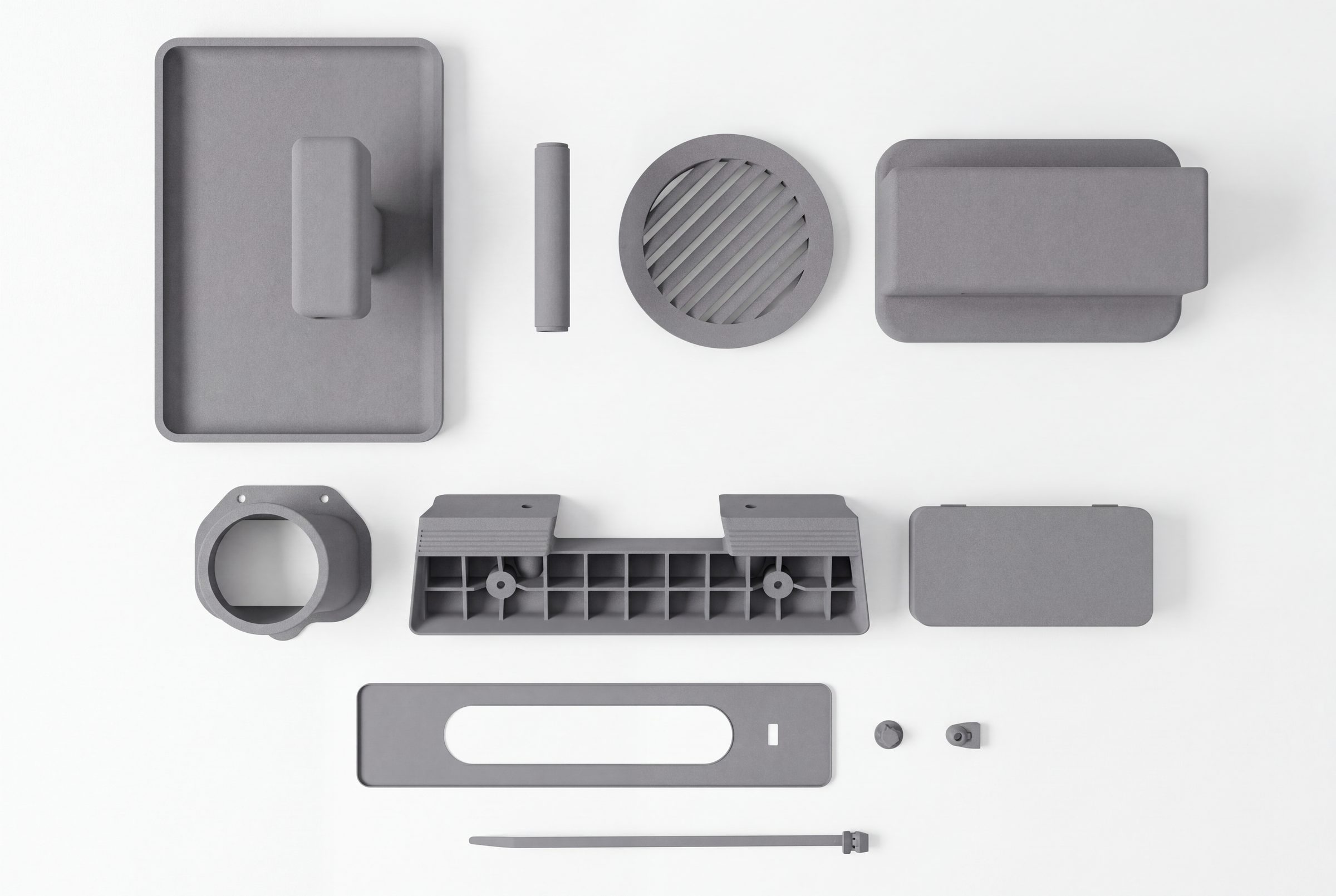
An injection mould pays off at high volumes. At lower volumes 3D printing gives production parts with no tooling cost: from one piece to hundreds, sometimes a few thousand. Powder printing (MJF, SLS in PA12) gives strong parts with an even surface. We work with many print shops and workshops in Poland: powder printing, resin, CNC, machining, bonding, painting.
- You need a few to a few hundred pieces and a mould will not pay back.
- You order spare parts as needed instead of holding stock.
- The product is still changing and you do not want to freeze it in a mould.
- The shape has channels or lattices a mould cannot make.
- parts in PA12, PA11 or TPU (MJF, SLS), resin or CNC
- finishing: dyeing, vapour smoothing, paint, bead blasting
- powder printing typically 3 to 5 working days, finishing +1 to 3 days
- repeat orders from the same file
3D scanning and photogrammetry
Scanning comes first when the object already exists: it needs copying, improving, something new has to fit it, or you want a scale model of it. Small parts we scan and measure; larger objects and buildings we capture with photogrammetry, including drone photography. From the data we build a 3D model you can actually work with, not just a point cloud.
- The shape is irregular and hard to measure by hand.
- You are designing a cover, a holder or an adapter for an existing part.
- You need a scale model of a building, a site or an object that cannot be brought in.
- You want to compare a worn part with a new one.
- an editable 3D model (STEP) or a mesh (STL, OBJ)
- key dimensions on a drawing
- on request, a 3D-printed scale model
- further design and part printing on request
3D printing consulting and adoption
3D printing will not replace everything, but in many plants it works well for spare parts, assembly jigs, grippers and guards. We go through your parts and processes with you, point out what makes sense to print and in which process, then make the first pieces so you see results, not just slides. Our background is production engineering plus postgraduate studies in 3D printing.
- Your shop floor makes jigs by hand or orders them machined.
- A spare part stops the line and the lead time is long.
- You are considering your own printer and want to know which one, if any.
- a list of parts and uses where printing makes sense
- a process and material for each of them
- design and production of the first jigs or parts
We design product electronics together with the enclosure. Websites, apps and IT systems are done under our Manple brand.
Four ways to get the dimensions.
When there is no drawing, we get one the way the object allows. Each film is a real job.
On the shop floor, we see more.
We walk through your parts and stations with you, point out what is worth printing or improving, and make the first pieces.

Find where 3D printing saves you time and money.
- Your shop floor makes jigs by hand or orders them machined.
- A spare part stops the line and the lead time is long.
- You are considering your own printer and want to know which one, if any.
Industries we have worked in
Automotive and spare parts
Sport and outdoor
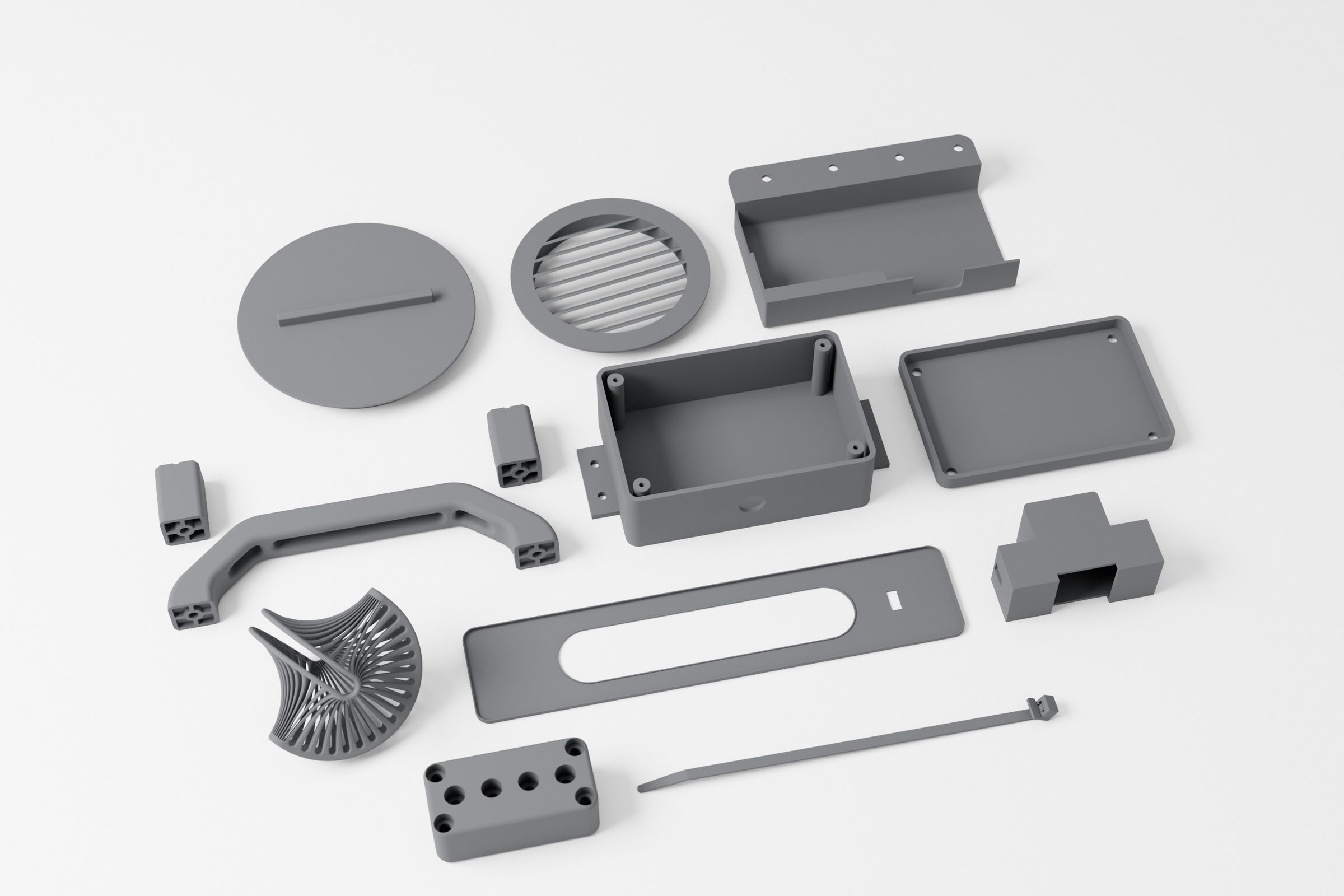
Industry and machinery
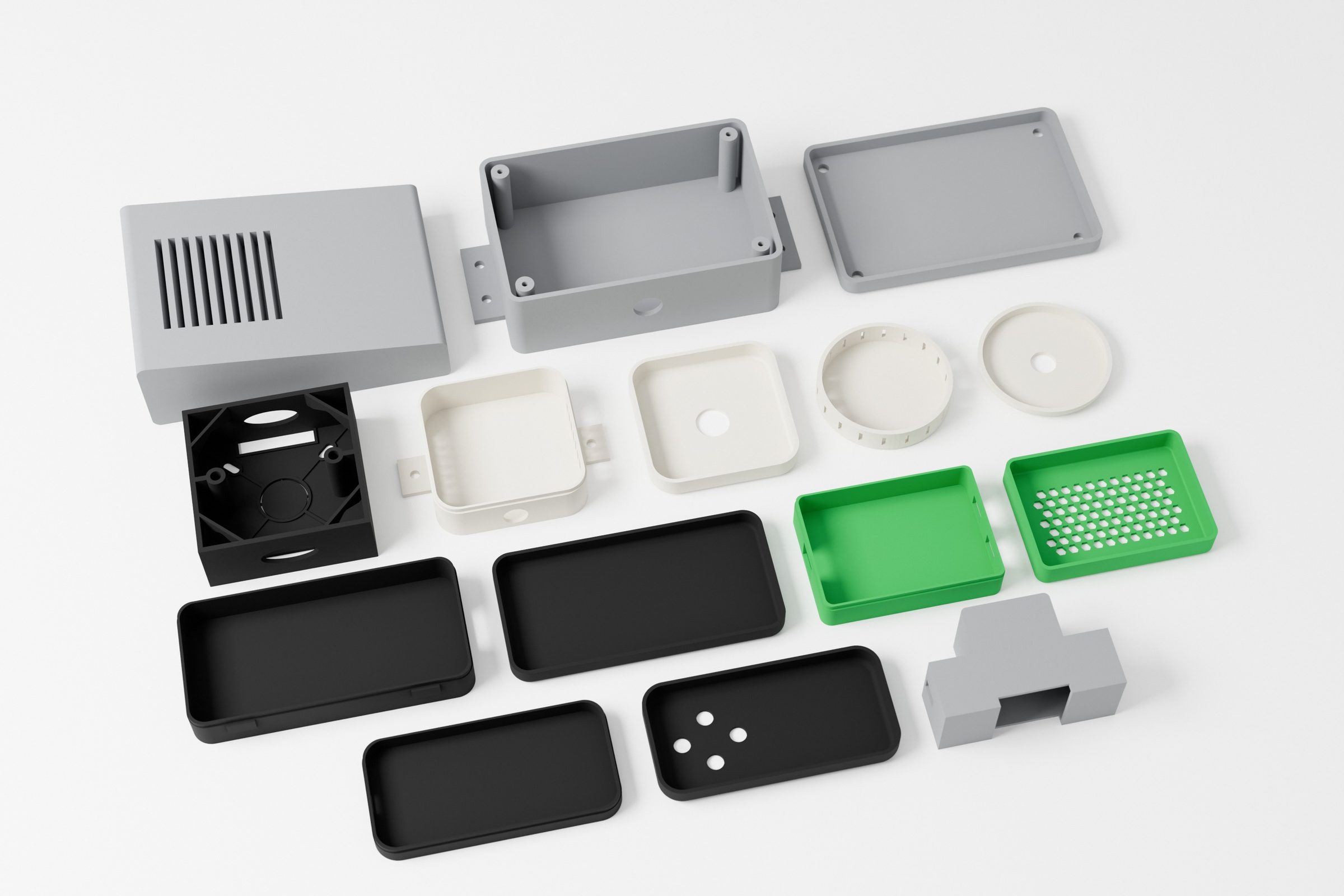
Frequently asked questions
What file should I send?
STEP is best because it can be edited. We also take STL and 3MF, as well as PDF and DXF drawings. If you are not sure what you have, send it and we will tell you whether it is enough.
I have no file at all. Can you still help?
Yes. A photo with dimensions, a hand sketch or the part itself, sent to us, is enough. Measuring and modelling is part of what we do.
Can I order a single piece?
Yes. 3D printing needs no mould, so one piece makes as much sense as a run. With more pieces the unit price usually goes down.
Do you sign NDAs?
Yes, we sign an NDA on request, including before you send any files.
Do you make metal parts?
Yes, through partners: CNC machining in aluminium and steel, and in engineering plastics (POM, PA6). We also arrange metal printing with partners. The process is chosen for the part.
How accurate are the parts?
It depends on the process. In powder printing (MJF, SLS) typical tolerance is ±0.3 % of the dimension, no less than ±0.3 mm, and walls should be at least about 1 mm. When a fit is critical we make a test version first.
How long does it take?
We reply to a request within one working day. A model and drawing usually take 2 to 5 days, a test version 2 to 4 days, powder printing 3 to 5 working days plus 1 to 3 days for finishing. The exact date comes with the quote.
Where do you deliver?
We work from Opole for companies and people all over Poland. Parts are shipped, and files and details are handled by email or phone.
Send a file or a photo. We reply with a price and a lead time.
STL, STEP, a drawing, a photo with dimensions or a one-line description. If something is missing, we will ask.